As we stand on the threshold of 2025, the artificial intelligence landscape is evolving at an unprecedented pace. The convergence of advanced machine learning, increased computing power, and vast data availability is creating opportunities that seemed like science fiction just a few years ago. For businesses, understanding these emerging trends isn't just about staying competitive—it's about survival in an increasingly AI-driven economy.
The Current AI Landscape: Setting the Stage
Before exploring future trends, it's essential to understand where we stand today. The AI market has experienced explosive growth, with global spending on AI systems reaching over $500 billion in 2024. Organizations across industries are moving beyond experimental pilots to full-scale AI implementations, creating a foundation for the more sophisticated applications we'll see in 2025 and beyond.
Key Drivers of AI Evolution
Several factors are accelerating AI advancement:
- Computational Power: Advanced GPU architectures and specialized AI chips
- Data Explosion: Exponential growth in data generation and availability
- Algorithm Innovation: Breakthrough developments in neural networks and learning algorithms
- Investment Growth: Massive funding from both private and public sectors
- Talent Development: Growing pool of AI researchers and practitioners
Trend 1: Hyperautomation and Intelligent Process Orchestration
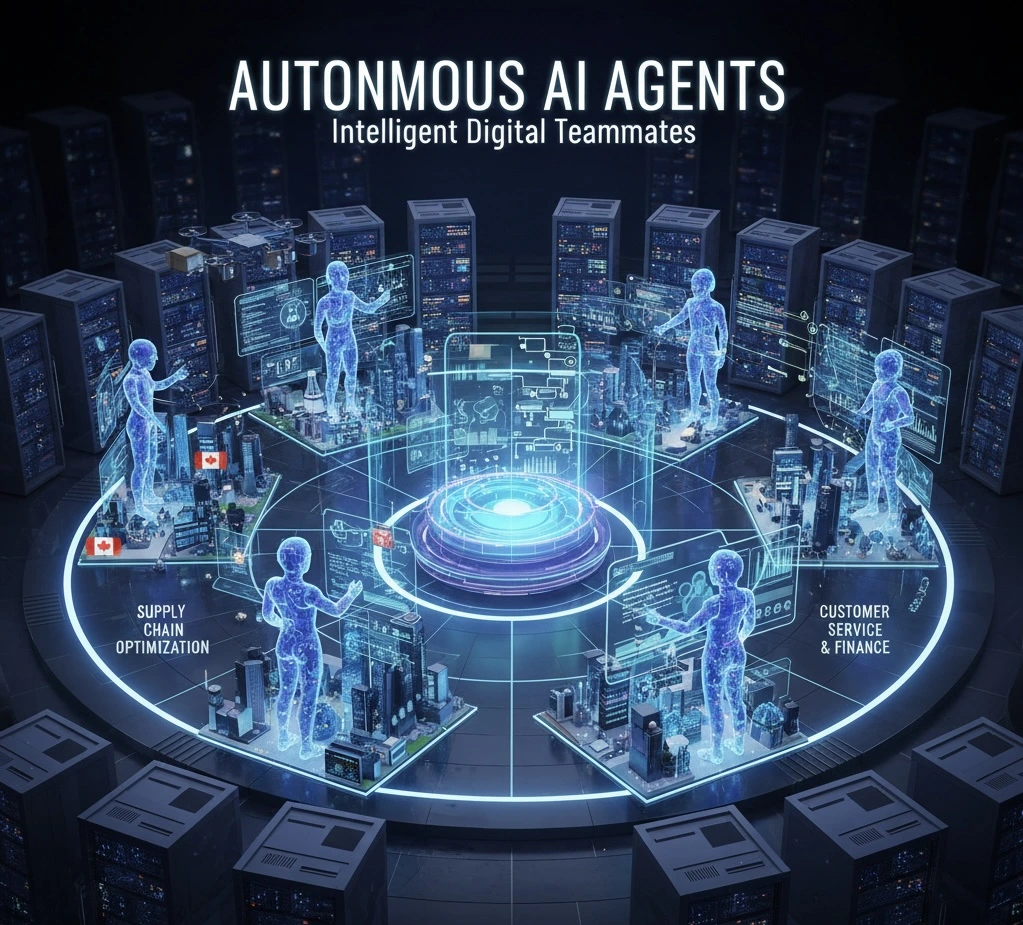
The future of business automation extends far beyond simple task automation. We're moving toward hyperautomation—a holistic approach that combines multiple automation technologies to create intelligent, adaptive systems capable of managing entire business processes end-to-end.
What Hyperautomation Means for Business
Hyperautomation represents the integration of:
- Robotic Process Automation (RPA)
- Artificial Intelligence and Machine Learning
- Process mining and discovery
- Natural Language Processing
- Computer Vision
- Advanced analytics and decision-making algorithms
"By 2025, we expect to see organizations achieve 90% automation rates in core business processes, with AI agents managing exceptions and optimization in real-time. This represents a fundamental shift in how businesses operate."
Industry Applications of Hyperautomation
Leading organizations are already implementing hyperautomation in:
- Financial Services: End-to-end loan processing and risk assessment
- Healthcare: Patient journey management from admission to discharge
- Manufacturing: Integrated supply chain and production optimization
- Retail: Dynamic inventory and customer experience management
Trend 2: Autonomous Decision-Making Systems
The next evolution in AI involves systems that can make complex business decisions autonomously, with minimal human oversight. These systems will leverage advanced analytics, predictive modeling, and real-time data to make decisions that previously required human judgment.
Capabilities of Autonomous Decision Systems
These advanced systems will feature:
- Contextual Understanding: Comprehension of business context and constraints
- Multi-factor Analysis: Simultaneous consideration of multiple variables and outcomes
- Risk Assessment: Intelligent evaluation of potential risks and mitigation strategies
- Adaptive Learning: Continuous improvement based on decision outcomes
- Explainable Reasoning: Clear explanation of decision-making logic
Real-World Decision Automation
Autonomous decision-making will transform areas such as:
- Investment portfolio management and trading decisions
- Dynamic pricing and revenue optimization
- Resource allocation and capacity planning
- Quality control and production adjustments
- Customer service escalation and resolution
Trend 3: Conversational AI and Natural Language Interfaces
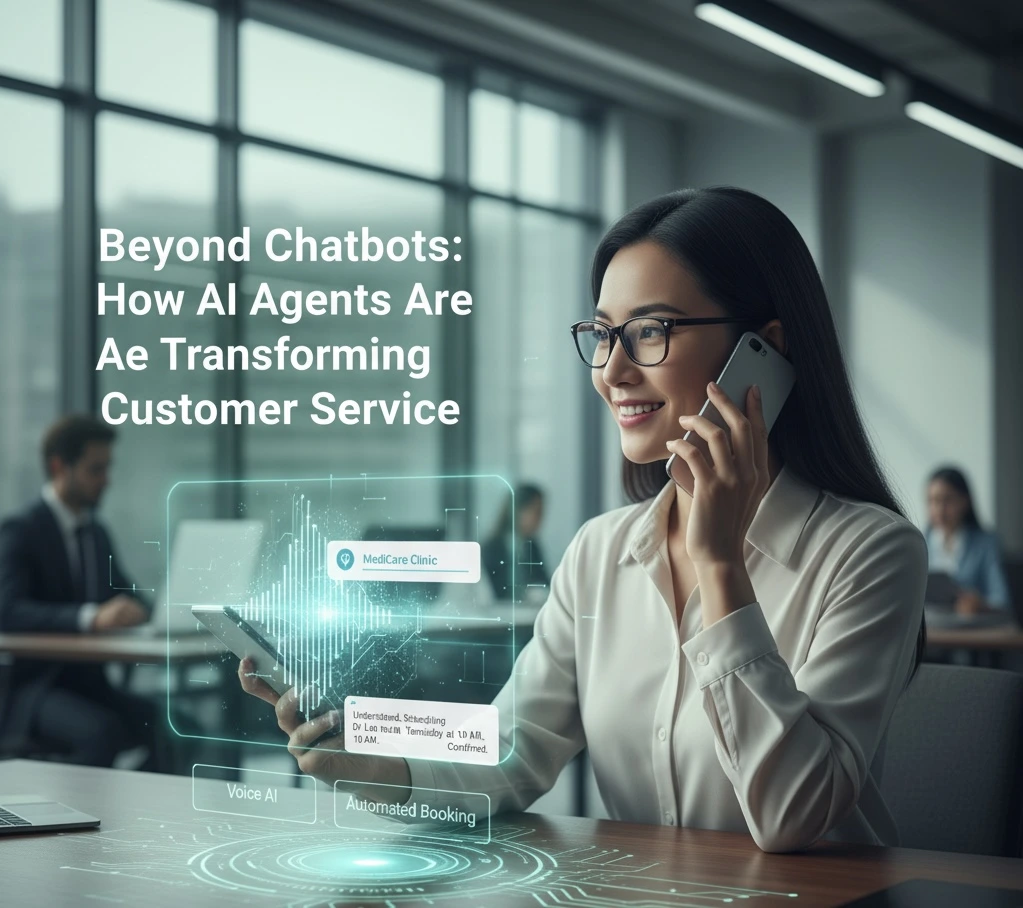
The future of human-computer interaction lies in natural language interfaces that can understand context, emotion, and intent with human-like accuracy. These systems will become the primary interface for business applications, making technology more accessible and intuitive.
Advanced Conversational Capabilities
Next-generation conversational AI will include:
- Emotional Intelligence: Recognition and appropriate response to human emotions
- Context Preservation: Maintenance of conversation context across multiple interactions
- Multi-modal Communication: Integration of text, voice, and visual inputs
- Personality Adaptation: Adjustment of communication style based on user preferences
- Domain Expertise: Deep knowledge in specific business areas and industries
Business Applications of Advanced Conversational AI
Organizations will leverage conversational AI for:
- Complex customer support and technical assistance
- Internal knowledge management and employee support
- Sales consultation and product recommendation
- Training and onboarding assistance
- Executive decision support and business intelligence
Trend 4: Predictive and Proactive AI Systems
The future of AI lies not just in responding to events, but in predicting and preventing them. Predictive AI systems will anticipate business needs, market changes, and potential problems before they occur, enabling proactive rather than reactive business strategies.
Predictive AI Capabilities
Advanced predictive systems will offer:
- Early Warning Systems: Detection of potential issues before they impact operations
- Opportunity Identification: Recognition of emerging market opportunities and trends
- Resource Optimization: Prediction of future resource needs and optimal allocation
- Customer Behavior Forecasting: Anticipation of customer needs and preferences
- Market Trend Analysis: Identification of emerging patterns and disruptions
Proactive Business Applications
Predictive AI will enable proactive approaches to:
- Equipment maintenance and failure prevention
- Supply chain disruption management
- Customer churn prevention and retention
- Fraud detection and security threat prevention
- Market opportunity identification and capture
Trend 5: AI-Human Collaboration and Augmentation
Rather than replacing humans, the future of AI focuses on augmenting human capabilities and creating synergistic human-AI teams. This collaborative approach leverages the unique strengths of both humans and AI systems to achieve superior outcomes.
Collaborative AI Framework
Effective human-AI collaboration involves:
- Complementary Strengths: AI handling data processing while humans provide creativity and judgment
- Seamless Handoffs: Smooth transitions between AI and human involvement
- Shared Learning: Both humans and AI learning from each other's actions
- Transparent Operations: Clear understanding of AI capabilities and limitations
- Adaptive Interfaces: User interfaces that adapt to individual working styles
Human-AI Team Applications
Collaborative AI-human teams will excel in:
- Creative problem-solving and innovation
- Complex decision-making requiring emotional intelligence
- Strategic planning and business development
- Customer relationship management
- Research and development activities
Trend 6: Edge AI and Distributed Intelligence
The future of AI includes a shift toward edge computing, bringing AI capabilities closer to where data is generated and decisions need to be made. This distributed approach reduces latency, improves privacy, and enables real-time responses.
Benefits of Edge AI
Edge AI deployment offers:
- Reduced Latency: Instant processing without cloud communication delays
- Enhanced Privacy: Local data processing without external transmission
- Improved Reliability: Operation even without internet connectivity
- Cost Efficiency: Reduced bandwidth and cloud computing costs
- Real-time Processing: Immediate responses for time-critical applications
Edge AI Use Cases
Organizations will implement edge AI for:
- Industrial IoT and smart manufacturing
- Autonomous vehicles and transportation systems
- Smart retail and inventory management
- Healthcare monitoring and diagnostics
- Security and surveillance applications
Trend 7: AI Governance and Ethical AI
As AI systems become more powerful and pervasive, organizations are recognizing the critical importance of AI governance, ethics, and responsible AI development. This trend focuses on ensuring AI systems are fair, transparent, and aligned with human values.
Key Components of AI Governance
Comprehensive AI governance includes:
- Bias Detection and Mitigation: Ensuring AI systems are fair and unbiased
- Transparency and Explainability: Clear understanding of AI decision-making processes
- Privacy Protection: Safeguarding personal and sensitive data
- Accountability Frameworks: Clear responsibility for AI system outcomes
- Continuous Monitoring: Ongoing assessment of AI system performance and impact
Business Impact of Ethical AI
Organizations investing in ethical AI will benefit from:
- Enhanced customer trust and brand reputation
- Reduced regulatory and legal risks
- Improved employee confidence and adoption
- Better long-term business outcomes
- Competitive advantage through responsible innovation
Trend 8: Industry-Specific AI Solutions
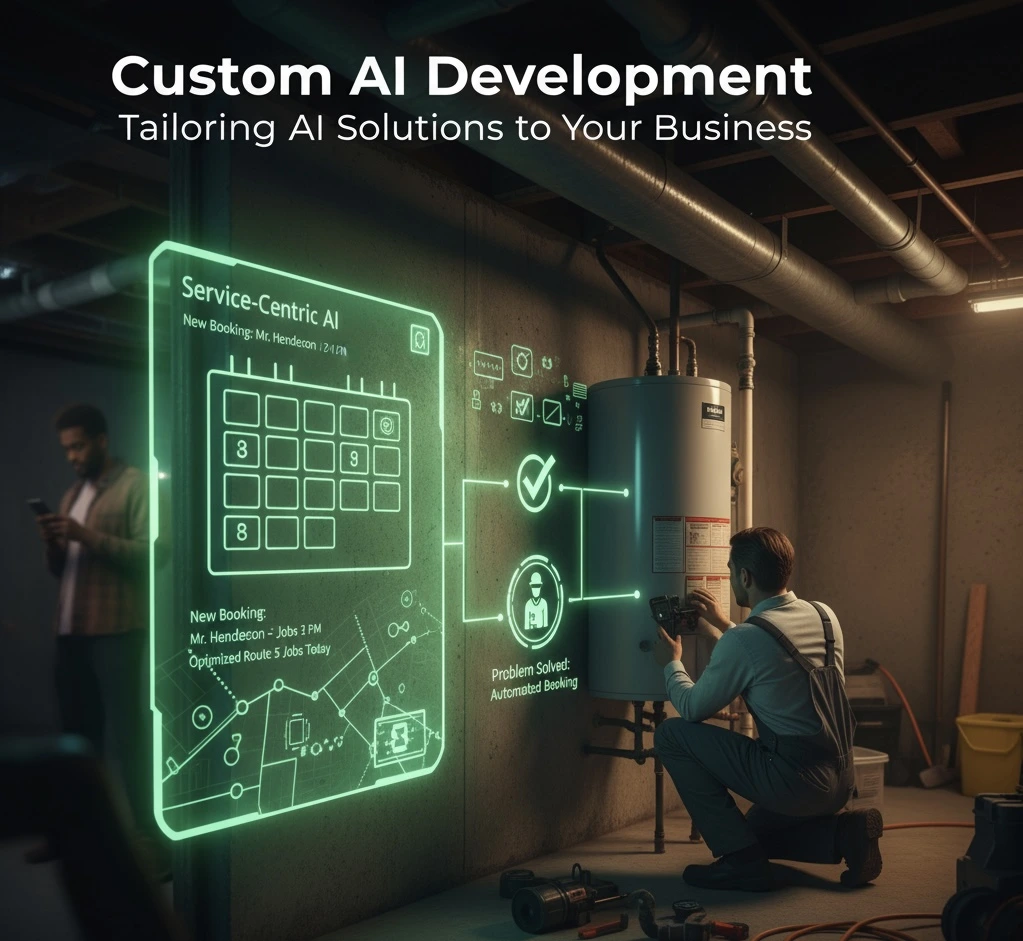
The future of AI involves increasingly specialized solutions designed for specific industries and use cases. These vertical AI applications will provide deeper functionality and better outcomes than generic solutions.
Vertical AI Advantages
Industry-specific AI solutions offer:
- Deep domain knowledge and expertise
- Compliance with industry regulations and standards
- Optimized workflows for specific business processes
- Integration with industry-standard tools and systems
- Specialized algorithms for unique challenges
Emerging Vertical AI Applications
Specialized AI solutions are emerging in:
- Healthcare: Diagnostic AI and personalized treatment planning
- Financial Services: Risk assessment and regulatory compliance
- Manufacturing: Predictive maintenance and quality control
- Agriculture: Precision farming and crop optimization
- Education: Personalized learning and assessment
Preparing for the AI Future
Organizations looking to leverage these AI trends should focus on several key preparation areas:
Strategic Planning
- Develop a comprehensive AI strategy aligned with business objectives
- Identify priority use cases and implementation roadmaps
- Assess current capabilities and identify skill gaps
- Plan for organizational change and cultural adaptation
Technology Infrastructure
- Invest in scalable, flexible AI infrastructure
- Ensure data quality and accessibility
- Implement robust security and privacy measures
- Develop integration capabilities with existing systems
Talent and Skills Development
- Recruit AI specialists and data scientists
- Retrain existing employees for AI collaboration
- Develop AI literacy across the organization
- Create continuous learning programs
Challenges and Considerations
While the future of AI holds tremendous promise, organizations must also navigate several challenges:
Technical Challenges
- Data quality and availability issues
- Integration complexity with legacy systems
- Scalability and performance requirements
- Security and privacy concerns
Organizational Challenges
- Change management and employee adaptation
- Skill gaps and talent shortages
- Cost and resource allocation
- Regulatory compliance and ethical considerations
The Road Ahead: 2025 and Beyond
As we look toward 2025, the convergence of these AI trends will create unprecedented opportunities for innovation and growth. Organizations that proactively embrace these trends and prepare for the AI-driven future will be positioned to lead in their industries.
The key to success lies not just in adopting new technologies, but in reimagining business processes, organizational structures, and customer experiences around AI capabilities. This transformation requires vision, commitment, and strategic planning, but the potential rewards—increased efficiency, reduced costs, enhanced customer experiences, and new revenue opportunities—make the investment worthwhile.
The future of AI in business is not a distant possibility—it's rapidly approaching reality. Organizations that act now to understand, prepare for, and implement these emerging AI trends will shape the business landscape of tomorrow and beyond.