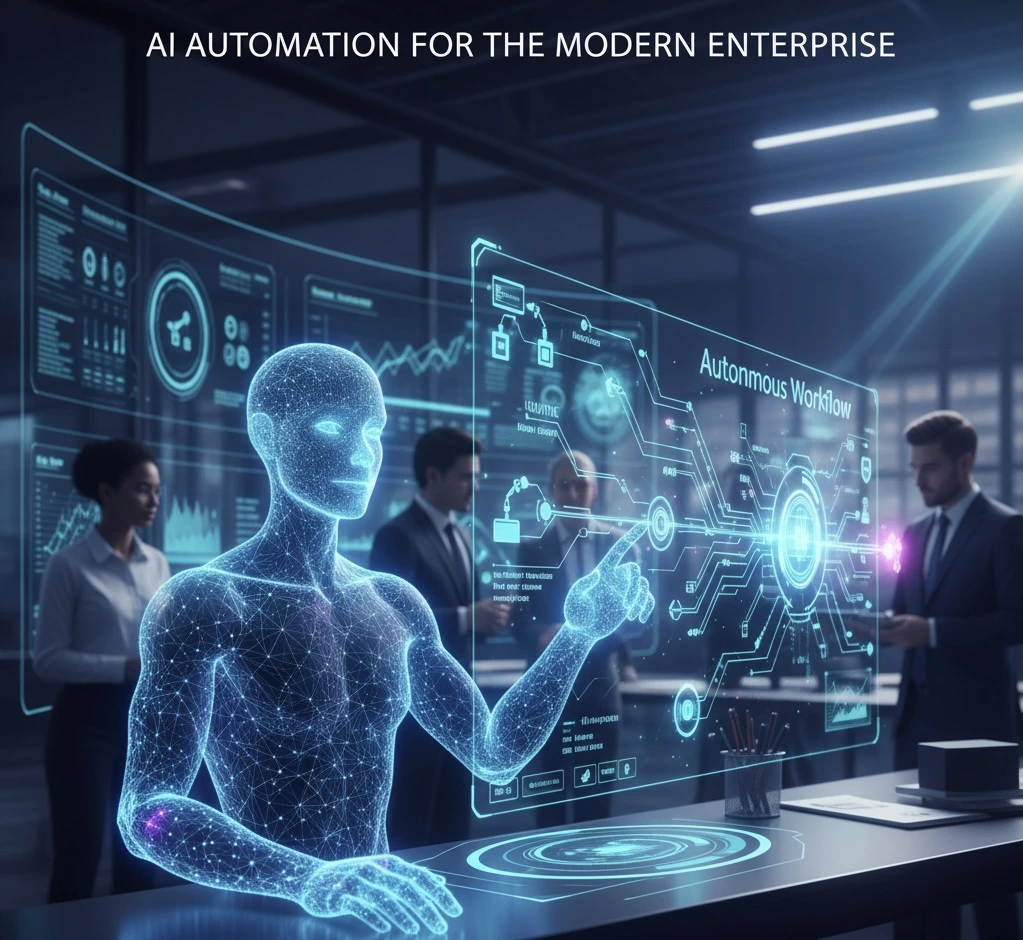
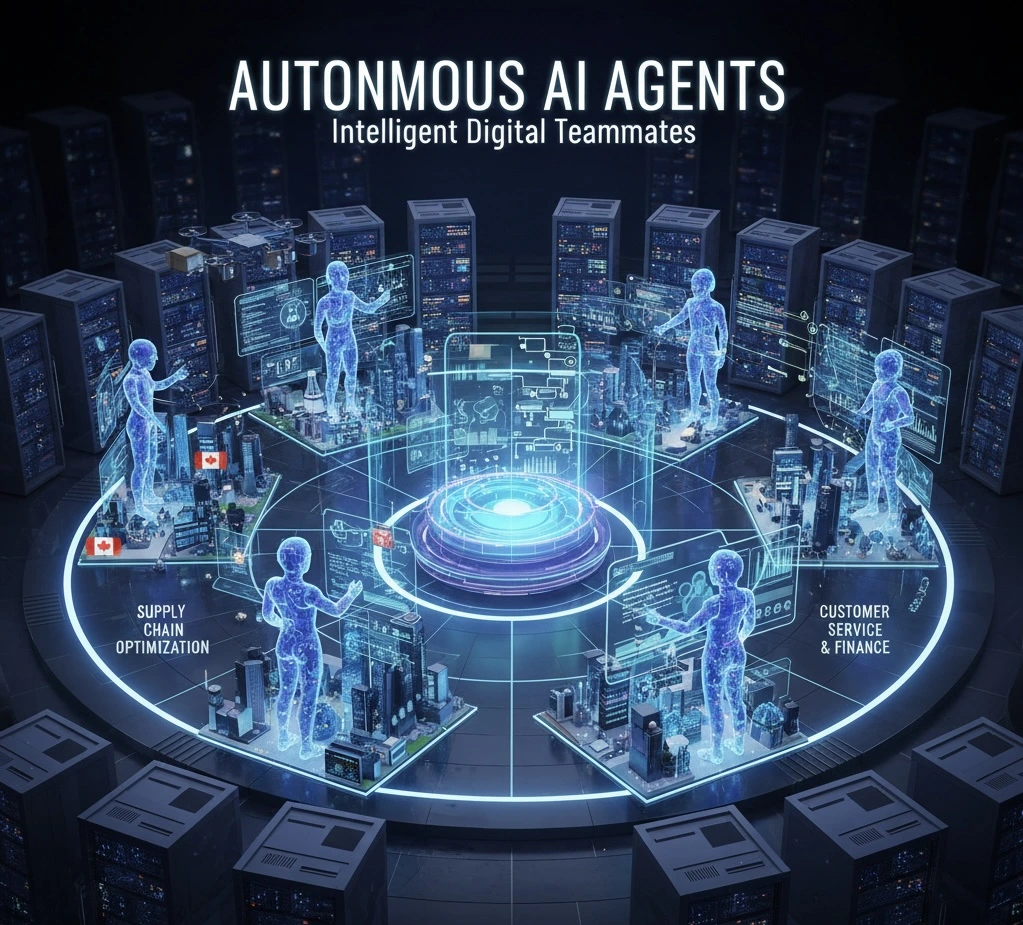
In the rapidly evolving landscape of business automation, autonomous AI agents are emerging as the next frontier of operational efficiency. These intelligent systems represent a paradigm shift from traditional automation, offering unprecedented capabilities that promise to revolutionize how businesses operate, compete, and grow in the digital age.
Understanding Autonomous AI Agents
Autonomous AI agents are sophisticated software systems that can perceive their environment, make decisions, and take actions independently to achieve specific goals. Unlike traditional automation tools that follow pre-programmed rules, these agents leverage machine learning, natural language processing, and advanced reasoning capabilities to adapt to changing circumstances and handle complex, unstructured tasks.
The key characteristics that define autonomous AI agents include:
- Self-directed decision making: Ability to analyze situations and choose appropriate actions without human intervention
- Environmental awareness: Continuous monitoring and understanding of their operational context
- Goal-oriented behavior: Focus on achieving specific objectives while adapting strategies as needed
- Learning capabilities: Continuous improvement through experience and feedback
- Communication skills: Interaction with humans and other systems using natural language
The Business Impact Revolution
The implementation of autonomous AI agents is creating transformative changes across industries. Organizations that have embraced these technologies are reporting significant improvements in operational efficiency, cost reduction, and customer satisfaction.
Operational Efficiency at Scale
Autonomous AI agents excel at handling repetitive tasks that traditionally consumed valuable human resources. By taking over routine processes such as data entry, report generation, and basic customer inquiries, these agents free up human workers to focus on strategic, creative, and relationship-building activities that drive business growth.
"The integration of autonomous AI agents has allowed our team to shift from reactive problem-solving to proactive strategy development, resulting in a 40% increase in project delivery speed."
Cost Reduction and Resource Optimization
The financial benefits of implementing autonomous AI agents extend beyond simple labor cost savings. These systems operate 24/7 without breaks, sick days, or vacation time, providing consistent service availability. Additionally, their ability to process vast amounts of data quickly and accurately reduces errors that can be costly to rectify.
Industry Applications and Use Cases
The versatility of autonomous AI agents makes them applicable across numerous industries and business functions:
Customer Service and Support
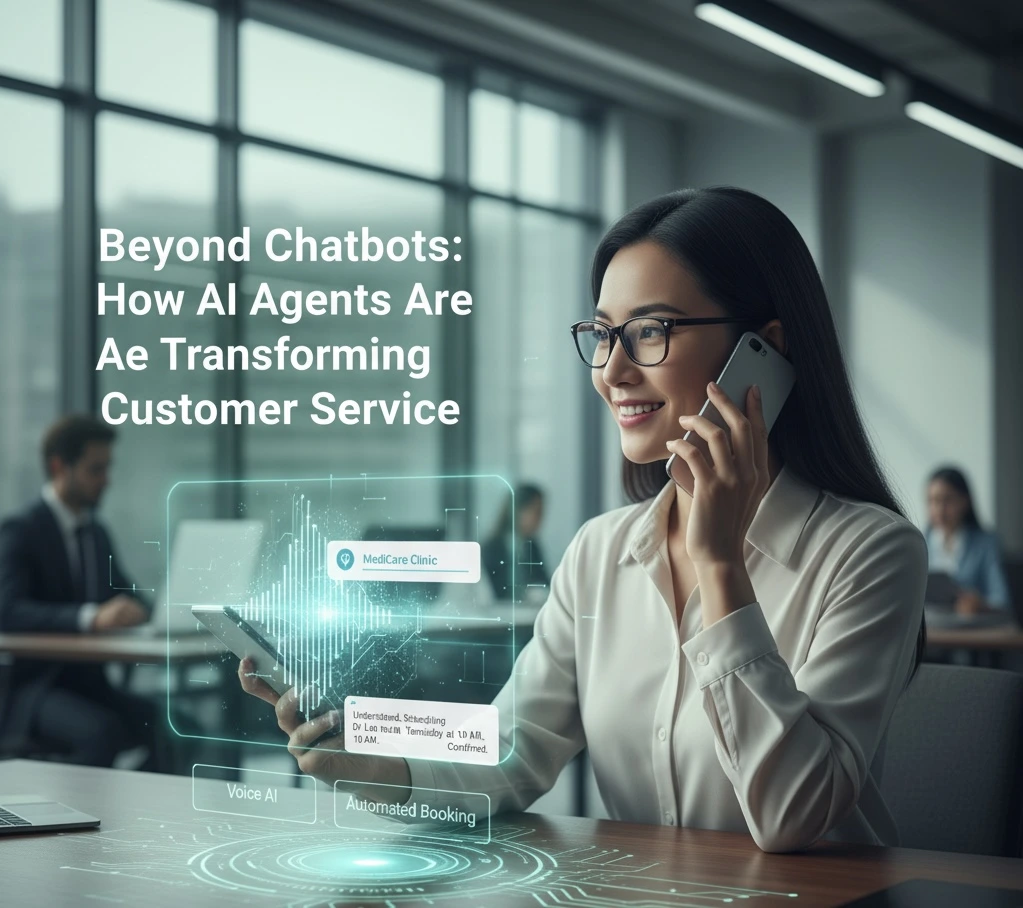
AI agents in customer service can handle complex inquiries, escalate issues appropriately, and provide personalized support based on customer history and preferences. They can simultaneously manage multiple conversations while maintaining context and emotional intelligence.
Financial Services
In banking and finance, autonomous agents monitor transactions for fraud detection, provide investment advice, assist with loan processing, and ensure regulatory compliance through real-time analysis of financial data.
Healthcare Operations
Healthcare organizations deploy AI agents for appointment scheduling, patient record management, medication reminders, and even preliminary diagnostic assistance, improving both operational efficiency and patient care quality.
Supply Chain Management
Autonomous agents optimize inventory levels, predict demand fluctuations, coordinate with suppliers, and manage logistics operations, creating more resilient and responsive supply chains.
Implementation Strategies for Success
Successfully implementing autonomous AI agents requires careful planning and strategic approach:
- Start with Clear Objectives: Define specific goals and success metrics before implementation
- Choose the Right Use Cases: Begin with processes that are well-defined, repetitive, and have clear success criteria
- Ensure Data Quality: High-quality, clean data is essential for effective AI agent performance
- Plan for Integration: Consider how AI agents will work with existing systems and workflows
- Invest in Training: Prepare your team to work alongside AI agents and manage the new processes
- Monitor and Optimize: Continuously track performance and refine agent behavior based on results
Overcoming Implementation Challenges
While the benefits are substantial, organizations often face challenges when implementing autonomous AI agents:
Data Privacy and Security
Ensuring that AI agents handle sensitive information securely requires robust data protection measures, encryption, and compliance with privacy regulations like GDPR and CCPA.
Integration Complexity
Legacy systems may require significant updates or API development to work effectively with AI agents. Planning for integration challenges early in the process helps avoid costly delays.
Change Management
Employee concerns about job displacement need to be addressed through transparent communication, retraining programs, and clear career development paths that leverage human-AI collaboration.
The Future of Autonomous AI Agents
As AI technology continues to advance, autonomous agents will become increasingly sophisticated. Future developments include:
- Enhanced emotional intelligence: Better understanding of human emotions and appropriate responses
- Improved reasoning capabilities: More complex problem-solving and decision-making abilities
- Greater autonomy: Ability to handle more complex, unstructured tasks with minimal supervision
- Collaborative AI networks: Multiple agents working together to solve complex business challenges
Getting Started with AI Agent Implementation
Organizations looking to implement autonomous AI agents should begin with a comprehensive assessment of their current processes and identify areas where automation could provide the greatest value. Partnering with experienced AI development teams can help ensure successful implementation and maximize return on investment.
The future of business automation lies in the intelligent collaboration between humans and autonomous AI agents. Organizations that embrace this technology today will be positioned to lead in tomorrow's increasingly automated business landscape.